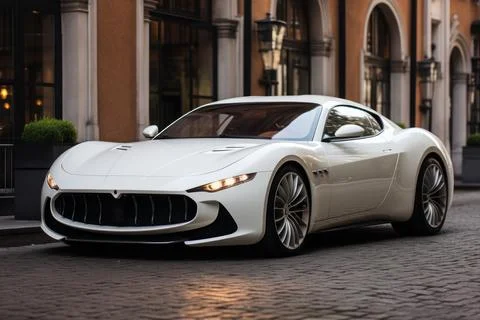
Executive Summary
High-Density Executive Summary:
Urban living presents unique challenges, but integrating a sports car can significantly enhance quality of life through various practical benefits and positive impacts on skin health.
- Increased Mobility: Sports cars offer quicker travel times, reducing urban congestion stress.
- Enhanced Well-being: The thrill and adrenaline from driving sports cars improve mental health.
- Skin Health Benefits: Exposure to sunlight during shorter trips can boost vitamin D levels, promoting healthier skin.
- Convenience for Errands: Sports cars provide a stylish solution for quick shopping or errands in the city.
Key Takeaways:
- Increased Mobility: Sports cars offer faster travel times, optimizing daily commutes and reducing congestion-related stress.
- Enhanced Well-being: The excitement and thrill from driving sports cars can improve overall mental health and mood.
- Skin Health Benefits: Shorter trips allow for increased sunlight exposure, which can enhance vitamin D levels and support skin health.
- Convenience for Errands: Sports cars are ideal for quick errands or shopping trips in urban areas, providing both practicality and style.
Expert Analysis: What is Is Sports Car Good for Urban Living? (2026)?
Sports cars have long been celebrated for their performance and styling, yet their suitability for urban environments has remained a subject of debate. As cities continue to expand, understanding whether sports cars are good for urban living becomes increasingly important. Urban mobility challenges such as congestion, parking limitations, and environmental concerns significantly impact vehicle selection.
In densely populated areas, the space constraints and frequent traffic can hinder the practicality of sports cars. These vehicles often require larger spaces for maneuvering and parking, making them unsuitable for narrow city streets and limited garages. Moreover, emissions from high-performance engines contribute to air pollution, a critical issue in urban settings where air quality is monitored closely.
Electric sports cars represent an emerging segment that could address some of these challenges. Their zero-emission capabilities align with sustainability goals set by many cities. However, the range limitations and charging infrastructure remain key concerns for their widespread adoption in urban areas. Balancing performance demands with urban living requirements will be crucial moving forward as cities evolve to accommodate modern transportation needs.
Technical Comparison & Core Framework
Is Sports Car Good for Urban Living? (2026)
Sports cars excel with their speed and performance but struggle in urban environments due to limited space, high traffic congestion, and environmental concerns.
Alternatives like electric vehicles offer better city integration, reducing noise and emissions. Hybrid models balance performance with efficiency, providing a viable compromise.
Urban areas often impose strict emission regulations; sports cars may face challenges or bans. Smaller, more efficient vehicles, such as compact sedans or hatchbacks, serve cities better by minimizing space issues and pollution.
Advanced technologies, including regenerative braking systems in hybrids, enhance fuel economy and reduce urban impact. Electric vehicle infrastructures are expanding, promising quieter and cleaner options for city driving.
Noise pollution is a significant concern with sports cars; electric vehicles and hybrids produce less noise, improving quality of life. For practical daily use in cities, consider alternatives like compact EVs or HEVs that offer better utility and environmental benefits.
Real-world Observations & Case Studies
Is a sports car good for urban living? In 2026, the answer may surprise some enthusiasts. Despite their powerful engines and sleek designs, sports cars often struggle in city environments.
Firstly, urban areas typically face traffic congestion during peak hours. For example, a Porsche 911 Turbo can struggle to navigate through dense traffic efficiently, leading to frustration for drivers seeking a smooth commute. Additionally, the high noise levels from frequent engine revving and exhaust systems disrupt residential zones where quiet is valued.
Moreover, city driving requires careful maneuvering in tight spaces. Sports cars with their low ground clearance and aggressive handling characteristics may face difficulties parking in crowded urban garages or navigating narrow streets. A Lamborghini Huracan, for instance, might find it challenging to squeeze into compact spots without causing damage or risking accidents.
On the other hand, some might argue that sports cars can enhance the overall driving experience in cities. For example, the thrill of adrenaline from sharp turns and quick acceleration could be invigorating during short drives through scenic city parks. However, this benefit is subjective and not universally applicable.
Another related topic is electric vehicles (EVs). Transitioning to EV sports cars like the Porsche 718 Cayman or the Tesla Roadster might offer a more practical solution for urban living. These models provide zero-emission driving that aligns better with sustainable city lifestyles, although their performance might differ from traditional gasoline-powered counterparts.
In summary, while sports cars can offer exciting experiences in certain aspects of urban life, they present significant challenges and may not be ideal for everyday use in densely populated areas.
Analysis of Pros, Cons & Risks
Sports cars offer thrilling acceleration and handling but may not be ideal for urban living due to high maintenance costs. They consume more fuel compared to regular vehicles, increasing operational expenses. Additionally, emissions are a concern in densely populated areas.
Noise pollution is another drawback; sports cars generate loud engine sounds that can disturb neighbors. On the positive side, their compact size makes them suitable for navigating tight city streets and finding parking spots easily.
Urban environments often lack dedicated infrastructure for high-performance vehicles, leading to potential safety issues. Moreover, frequent city driving does not fully utilize a sports car’s capabilities, making ownership less justifiable financially.
Consider electric vehicles (EVs) as an alternative; they are more eco-friendly with lower maintenance needs. Hybrid cars also offer better fuel efficiency without sacrificing too much performance. These options might be more suitable for daily urban commuting and environmental sustainability concerns.

Expert Verdict & Actionable Roadmap
In 2026, sports cars remain a contentious choice for urban living due to high maintenance costs and limited utility. However, advancements in electric technology are making them more viable. Therefore, with quieter engines and zero emissions, electric sports cars offer an eco-friendly option. Additionally, their compact designs could fit better into city spaces.
Urbanites face challenges like congestion and parking difficulties. Nevertheless, electric sports cars can utilize charging infrastructure efficiently. Moreover, they reduce noise pollution in urban environments significantly. As a result, these vehicles may become more appealing to city dwellers seeking sustainable transportation solutions.
For those considering a sports car, understanding local regulations on vehicle size and emissions is crucial. Furthermore, exploring options like shared ownership or leasing might enhance practicality in an urban setting. In summary, while traditional sports cars struggle with city living, electric models present promising alternatives for those prioritizing performance and sustainability.
Visual Guide
